Get Industrial Hood Cleaning
Industrial hood cleaning services help property owners remove grease buildup, improve safety, and ensure compliance by connecting them with local contractors experienced in kitchen exhaust and ventilation system cleaning.
Industrial hood cleaning is a vital service for property owners seeking to maintain safe and efficient kitchen operations. Regular cleaning helps prevent grease buildup, reduce fire risks, and ensure compliance with safety standards. Whether managing a restaurant, commercial kitchen, or food processing facility, exploring local contractors who specialize in hood cleaning can provide practical solutions to keep equipment in top condition and support smooth daily operations.
By comparing options from trusted local service providers, property owners can find experienced contractors equipped to handle the specific demands of industrial hood maintenance. Planning projects with the right local experts ensures that cleaning routines align with operational needs, helping to minimize disruptions and uphold safety standards. Continuing to read can help identify the key considerations when selecting a partner for industrial hood cleaning services in the area.
- Commercial Kitchens - businesses that operate busy cooking facilities may need hood cleaning to ensure proper ventilation and compliance.
- Food Processing Plants - facilities handling large quantities of food require regular hood cleaning to meet health and safety standards.
- Restaurant Chains - multiple restaurant locations might seek consistent hood cleaning services to maintain safety and operational standards.
- Industrial Food Production - large-scale food manufacturing plants often require thorough hood cleaning to prevent fire hazards and maintain airflow.
- Hospitality Venues - hotels and catering venues with commercial kitchens may need professional hood cleaning to keep their ventilation systems in top condition.
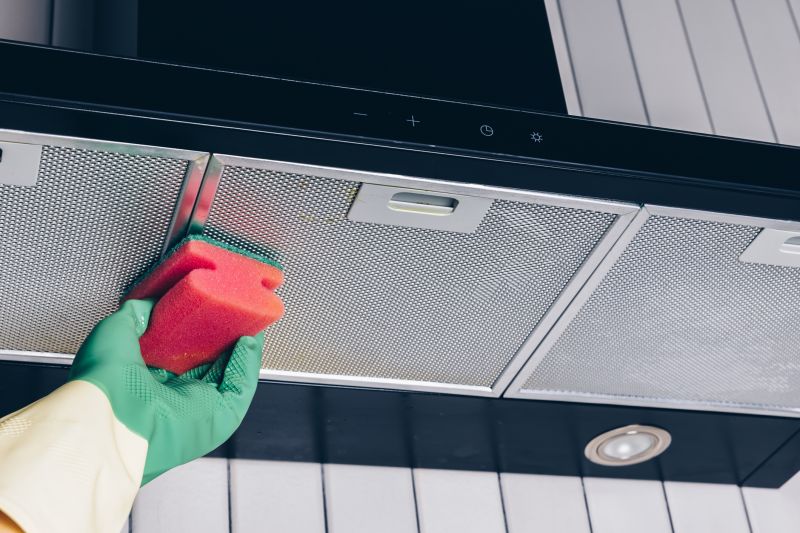
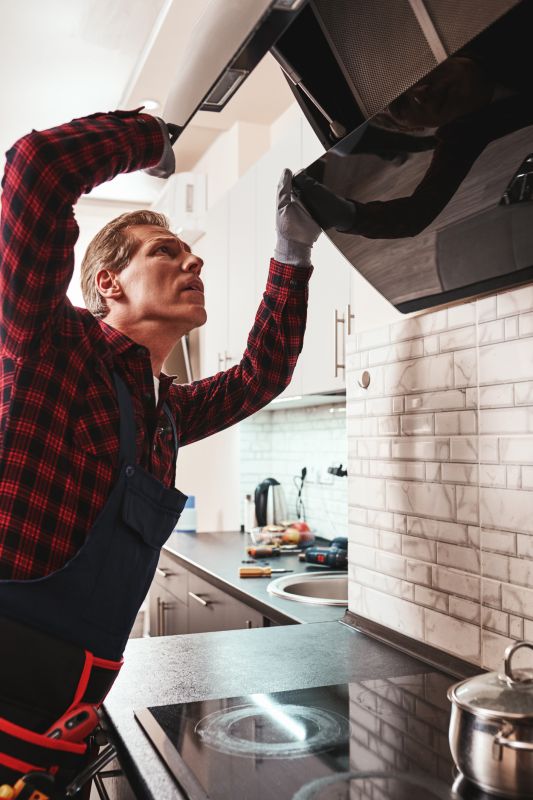
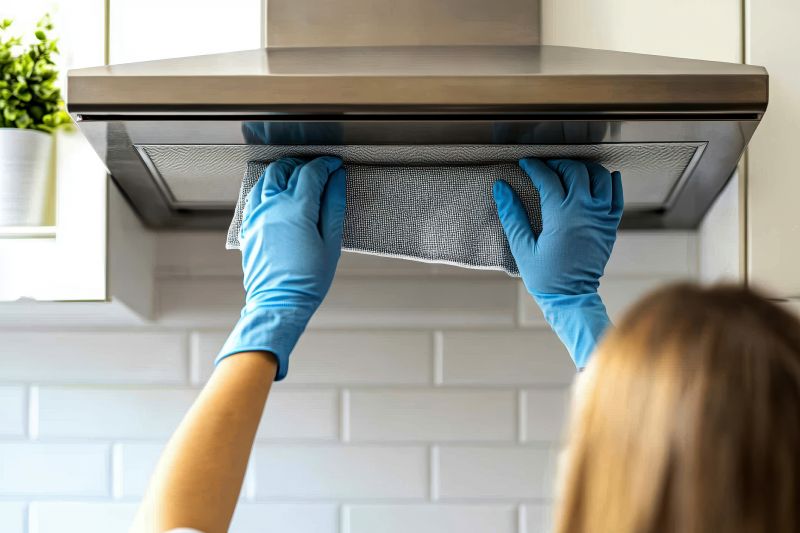
Industrial hood cleaning services involve thoroughly cleaning the exhaust hoods, ducts, and fans that are part of commercial kitchen ventilation systems. Over time, grease, oil, and other residues accumulate inside these systems, which can reduce their efficiency and increase fire risks. Professional contractors use specialized tools and cleaning agents to remove built-up deposits, ensuring that the entire ventilation pathway is clear and functioning properly. Regular cleaning of these systems is essential to maintain proper airflow, prevent unpleasant odors, and ensure compliance with safety standards.
One of the primary issues that industrial hood cleaning helps address is the buildup of grease and flammable residues. When these deposits are left unchecked, they can become a significant fire hazard, especially in busy commercial kitchens. Additionally, clogged or dirty exhaust systems can lead to poor air quality, increased energy consumption, and equipment strain. By removing grease and debris, service providers help improve the safety and efficiency of commercial kitchen operations, reducing the risk of costly fires and operational disruptions.
Typically, properties such as restaurants, catering facilities, institutional kitchens, and large food production plants utilize industrial hood cleaning services. These types of properties generate substantial amounts of grease and require regular cleaning to comply with health and safety regulations. Even some industrial facilities with specialized ventilation systems may need periodic cleaning to ensure proper air circulation and safety. Homeowners generally do not need this service unless they operate a commercial kitchen or a large-scale food preparation space within a residential property.
For homeowners who have commercial-grade kitchen setups or large outdoor cooking areas, industrial hood cleaning might be necessary to maintain safety and efficiency. If there are signs of excessive grease buildup, persistent odors, or reduced ventilation performance, it could indicate that a professional cleaning is needed. In such cases, connecting with experienced local contractors can help ensure the ventilation system is properly maintained. These service providers can assess the property’s needs and perform the cleaning work to keep the kitchen environment safe and compliant.
The overview below groups typical Industrial Hood Cleaning projects into broad ranges so you can see how smaller, mid-sized, and larger jobs often compare in your area.
In many markets, a large share of routine jobs stays in the lower and middle ranges, while only a smaller percentage of projects moves into the highest bands when the work is more complex or site conditions are harder than average.
Routine Maintenance - Most standard industrial hood cleaning projects typically range from $250 to $600. These jobs often involve cleaning accessible hoods and filters on a regular schedule. Larger or more complex routine jobs may cost more, but many fall within this middle price band.
Deep Cleaning Services - More thorough cleaning of entire ventilation systems usually costs between $600 and $1,200. These projects often include extensive scrubbing and inspection, with many jobs landing in this range. Fewer projects require the highest prices, which are reserved for very detailed or hard-to-access systems.
Emergency or One-Time Repairs - Emergency cleaning or repairs can vary widely, typically from $300 to $1,500 depending on urgency and scope. Many local contractors handle these within the lower to middle part of this range, while more complex or urgent jobs can push costs higher.
Full System Replacement - Complete replacement of industrial hood systems can cost $3,000 to $10,000 or more. These larger projects are less common and tend to fall into the higher end of the spectrum, depending on system size and complexity.
Actual totals will depend on details like access to the work area, the scope of the project, and the materials selected, so use these as general starting points rather than exact figures.
Kitchen Exhaust System Cleaning - professionals who clean commercial kitchen exhausts often utilize similar tools and techniques as those used in industrial hood cleaning to remove grease buildup and ensure safety.
Restaurant Ventilation Duct Cleaning - this project involves cleaning large-scale ventilation systems, requiring similar planning, equipment, and attention to detail as industrial hood cleaning services.
Commercial Air Duct Cleaning - technicians who clean air ducts in commercial buildings share skills in ductwork inspection, cleaning tools, and safety protocols with industrial hood cleaning providers.
Factory Exhaust System Maintenance - maintaining factory exhaust systems involves similar planning and equipment to ensure proper airflow and safety, aligning with industrial hood cleaning skills.
Food Processing Facility Sanitation - sanitation projects in food processing facilities require thorough cleaning of ventilation and exhaust systems, utilizing comparable techniques and tools.
Grease Trap and Vent System Cleaning - cleaning grease traps and vent systems involves skills in grease removal and system inspection that are relevant to industrial hood cleaning tasks.
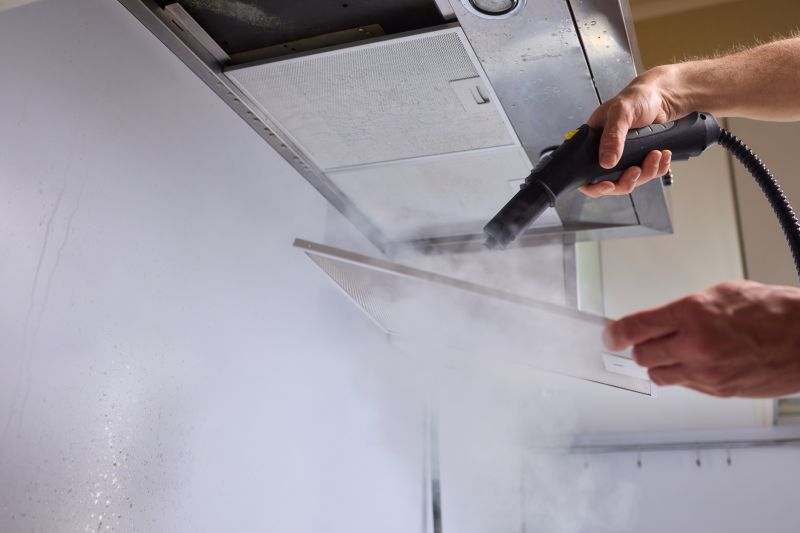
When comparing local contractors for industrial hood cleaning services, it’s important to consider their experience with similar projects. A provider with a proven track record in handling industrial kitchen exhaust systems or comparable commercial environments is more likely to understand the specific requirements and challenges involved. Looking into how long they have been working in the industry and whether they have completed projects similar in size and complexity can help ensure they have the necessary expertise to meet your needs effectively.
Clear, written expectations are essential for a successful service engagement. When evaluating potential service providers, seek out those who can provide detailed descriptions of their scope of work, including the cleaning procedures they follow and the standards they adhere to. Having a well-defined plan helps prevent misunderstandings and ensures all parties are aligned on what will be delivered. Reputable local contractors will typically be transparent about their process and willing to communicate these details upfront.
Reputable references and strong communication practices are key indicators of reliable service providers. Asking for references from previous clients who had similar projects can offer insight into the contractor’s professionalism, quality of work, and reliability. Additionally, good communication-such as prompt responses to inquiries and clarity in explaining services-helps build trust and ensures that expectations are managed throughout the project. Remember, this site’s role is to introduce homeowners to local options, not to perform the work itself, so taking the time to thoroughly compare and vet service providers can lead to a more satisfactory experience.
Property owners use Industrial Hood Cleaning services for practical projects around their homes and businesses. This guide focuses on everyday jobs and straightforward project options.
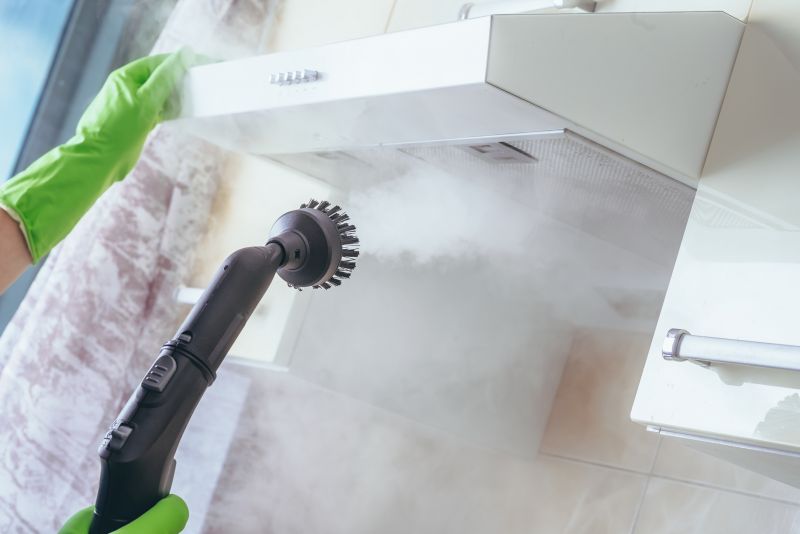
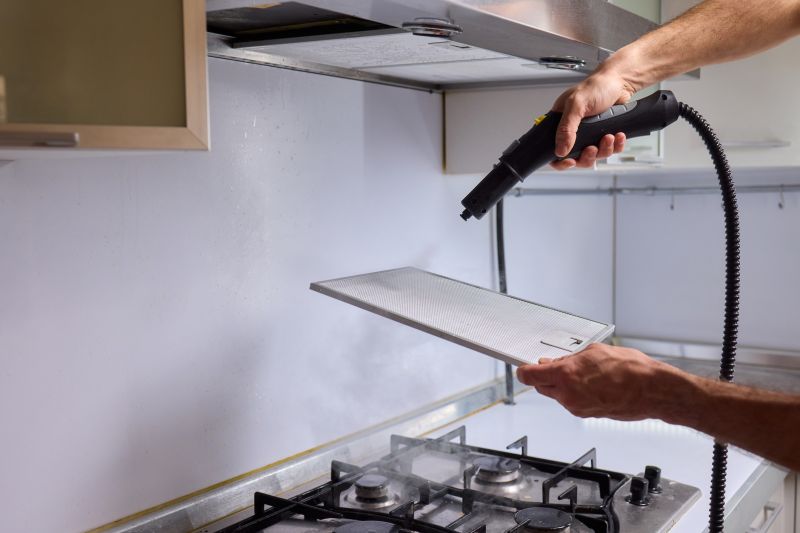
Industrial hood cleaning is a common maintenance task for property owners operating commercial kitchens or food processing facilities. Over time, grease buildup and debris can accumulate inside exhaust hoods and ductwork, increasing the risk of fire hazards and reducing ventilation efficiency. Local contractors specializing in hood cleaning are often called upon to ensure these systems are kept clean and functioning properly, helping property owners maintain safety standards and comply with health regulations.
Many property owners seek out professional hood cleaning services to improve air quality and prevent operational disruptions. Regular cleaning can also extend the lifespan of exhaust systems and reduce energy costs. Local service providers are equipped to handle a variety of project situations, from routine maintenance to more extensive cleanings after busy periods or renovation work, making it easier for property owners to keep their commercial kitchens safe and compliant.
What are the benefits of industrial hood cleaning? Regular hood cleaning can help improve safety, reduce fire risks, and maintain compliance with industry standards by removing grease buildup and contaminants.
How often should industrial hoods be cleaned? The recommended cleaning frequency varies based on usage and industry regulations, but many facilities opt for scheduled cleanings to ensure optimal performance and safety.
What types of industrial facilities require hood cleaning? Facilities such as restaurants, manufacturing plants, and processing centers with exhaust systems that handle grease, smoke, or fumes typically need professional hood cleaning services.
What should I look for in a local hood cleaning service provider? It's important to choose service providers with experience, good reputation, and proper equipment to ensure thorough and effective cleaning of industrial exhaust systems.
Are there specific regulations that influence industrial hood cleaning? Yes, local safety and fire codes often require regular cleaning and maintenance of exhaust hoods to ensure safety and compliance with industry standards.
Improve Indoor Air Quality - Regular hood cleaning by local contractors helps remove grease buildup that can circulate dust and pollutants inside the building.
Maintain Fire Safety Standards - Property owners can ensure their kitchen exhaust systems meet safety codes by scheduling professional cleaning services.
Enhance Ventilation Efficiency - Keeping hoods clean allows for better airflow, reducing strain on ventilation systems during busy hours.
Prevent Costly Repairs - Regular maintenance from local service providers helps avoid damage caused by grease accumulation, saving money over time.
If you are thinking about Industrial Hood Cleaning for a property, this guide is meant to help you understand the work, the typical project types, and how different options might fit your plans.
When you are ready, you can use the quote form on this page to share a few details about your project. From there, local pros can review the basics and respond with options that match what you have in mind.